The recent Chinese Grand Prix has become a focal point for heated debate within the Formula 1 community. Fans and experts are divided over whether the new regulations have truly enhanced the racing experience or if they have simply created a 'battery world championship' that lacks excitement.
Some enthusiasts argue that the changes have led to closer competition and more strategic depth, claiming it could be the 'best racing ever.' They point to thrilling overtakes and competitive battles on the track as evidence of a positive transformation in the sport.
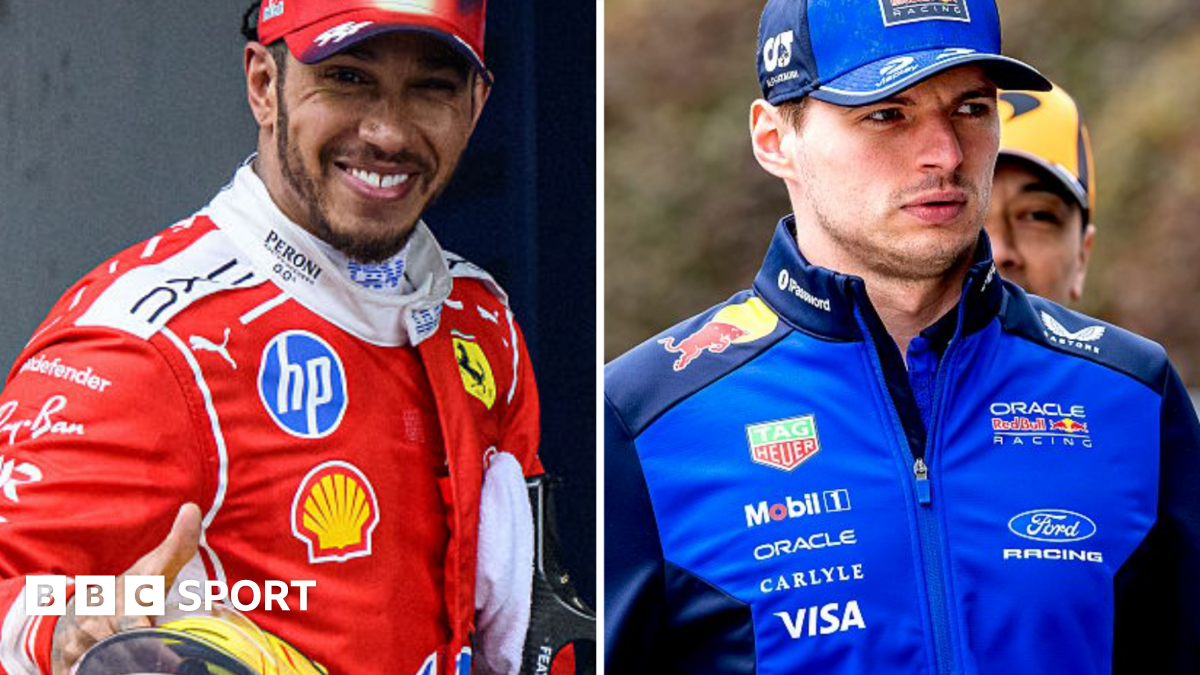
However, prominent drivers like Lewis Hamilton, Max Verstappen, and Fernando Alonso have expressed skepticism. They suggest that the new rules might have compromised the spectacle, turning the sport into a technical contest focused on efficiency rather than pure racing skill. Their comments highlight a paradox at the heart of the sport's evolution: innovation versus entertainment.
Analysts note that the modifications to car design and race strategies aim to promote sustainability and technological advancement. Yet, these objectives seem to come at the expense of the traditional thrill of racing, leading to questions about the sport's future direction.
The debate extends beyond the track, with fans and commentators discussing whether the new regulations will lead to a more competitive and engaging F1 or if they risk alienating audiences seeking high-speed excitement. As the season progresses, the true impact of these changes will become clearer, but the current controversy underscores the ongoing tension between innovation and entertainment in Formula 1.
Ultimately, the Chinese Grand Prix has become a symbol of this debate, illustrating how rule changes can polarize opinions and reshape perceptions of what makes F1 racing great.